
Demond Wilson stands out among television actors from the 1970s for a reason most don’t discuss—he walked away. While many performers from that era spent decades chasing comebacks or clinging to faded fame, he made a deliberate choice to step back from Hollywood and redirect his life toward ministry and faith-based work.
His name remains recognizable decades later, primarily because “Sanford and Son” continues airing in reruns. But the man behind Lamont Sanford took a path few actors choose, trading mainstream entertainment for a quieter but more personally meaningful existence.
| Category | Details |
|---|---|
| Full Name | Grady Demond Wilson |
| Date of Birth | October 13, 1946 |
| Birthplace | Valdosta, Georgia, USA |
| Nationality | American |
| Profession(s) | Actor, Author, Minister, Pastor |
| Years Active | 1966–present (acting), 1984–present (ministry) |
| Height | 5’9″ (175 cm) |
Television Fame and Cultural Impact
His breakthrough came in 1972 when he was cast as Lamont Sanford opposite Redd Foxx in “Sanford and Son.” The NBC sitcom, based on the British series “Steptoe and Son,” followed a cantankerous junk dealer and his long-suffering son navigating life in the Watts neighborhood of Los Angeles.
The show became a massive hit, never falling out of the Top 10 during its first five seasons. It wasn’t just popular—it was culturally significant. As one of the first primetime shows featuring a predominantly Black cast, it broke ground that later programs like “Good Times” and “The Jeffersons” would walk through.
Wilson’s role required finesse. Playing straight man to Redd Foxx’s larger-than-life Fred Sanford meant mastering timing, reactions, and knowing when to let Foxx dominate scenes. His dry delivery and exasperated responses to his father’s schemes created the perfect comedic balance.
According to his IMDb profile, he appeared in 135 of the show’s 136 episodes between 1972 and 1977. When Foxx walked off the show in 1974 during a salary dispute, Wilson became the star, carrying episodes without his co-lead—a responsibility he handled successfully.
Audiences still remember the show fondly. The father-son dynamic, catchphrases like “You big dummy!”, and the portrayal of Black family life with both humor and dignity left a lasting impression that continues through syndication.
Career at Its Peak
During “Sanford and Son’s” run, Wilson became a household name. The show’s success opened doors, and when it ended in 1977, CBS offered him a $1 million contract to star in “Baby… I’m Back!”—a comedy about a man returning to his family after abandoning them, only to find his wife remarried.
That $1 million in 1977 would equal roughly $5 million today. It was serious money, reflecting his value as a proven television star. Unfortunately, the show lasted just 13 episodes before cancellation.
He followed that with “The New Odd Couple” from 1982 to 1983, playing Oscar Madison opposite Ron Glass as Felix Unger. This revamped version of the classic series featured a Black cast but failed to capture audiences the way the original had. It too was cancelled after one season.
Film work during this period included “The Organization” (1971) with Sidney Poitier and “Me and the Kid” (1993), but his strength remained television. He made guest appearances on shows like “Mission: Impossible,” “All in the Family,” and later “Girlfriends,” where he played Lynn’s biological father from 2004 to 2005.
Stepping Away From Hollywood
In 1984, at age 38, Wilson was ordained as a minister in the Pentecostal Church of God in Christ. This wasn’t a career pivot driven by failed opportunities—it was a deliberate choice rooted in long-held spiritual convictions.
As a child raised Catholic, he had seriously considered the priesthood. At age 13, when his appendix ruptured and nearly killed him, he vowed to serve God in some ministerial capacity if he survived. That promise shaped decisions decades later.
He didn’t completely abandon acting, but it ceased being his primary focus. Ministry became his calling, and entertainment work became secondary—something he did when opportunities aligned with his values and schedule, not something he chased.
This decision confused many in Hollywood. Actors don’t usually walk away when they still have name recognition and could likely get work. But Wilson prioritized faith over fame, a choice that defined the second half of his life.
Faith, Ministry, and Personal Values
His ministry work centers on redemption, rehabilitation, and practical Christian living. In 1994, he founded Restoration House of America, an organization providing spiritual guidance and vocational training to former inmates—helping people rebuild lives after incarceration.
He became a frequent guest on Trinity Broadcasting Network’s “Praise the Lord” program, preaching and discussing faith publicly. His sermons draw on personal experience, using his Hollywood years as teaching examples about pride, materialism, and finding purpose beyond success.
He has written multiple Christian books addressing what he views as dangers in New Age spirituality. “The New Age Millennium,” published in 1998, critiques modern spiritual movements from an evangelical Christian perspective. He’s also written children’s books with faith-based themes.
In interviews, he’s been clear about his priorities: “Travel around, preachin’ the Lord’s gospel, that’s what. If He wants me to do a film or be a pastor, we’ll have to wrestle a little bit. But I’ll do whatever He wants me to do.”
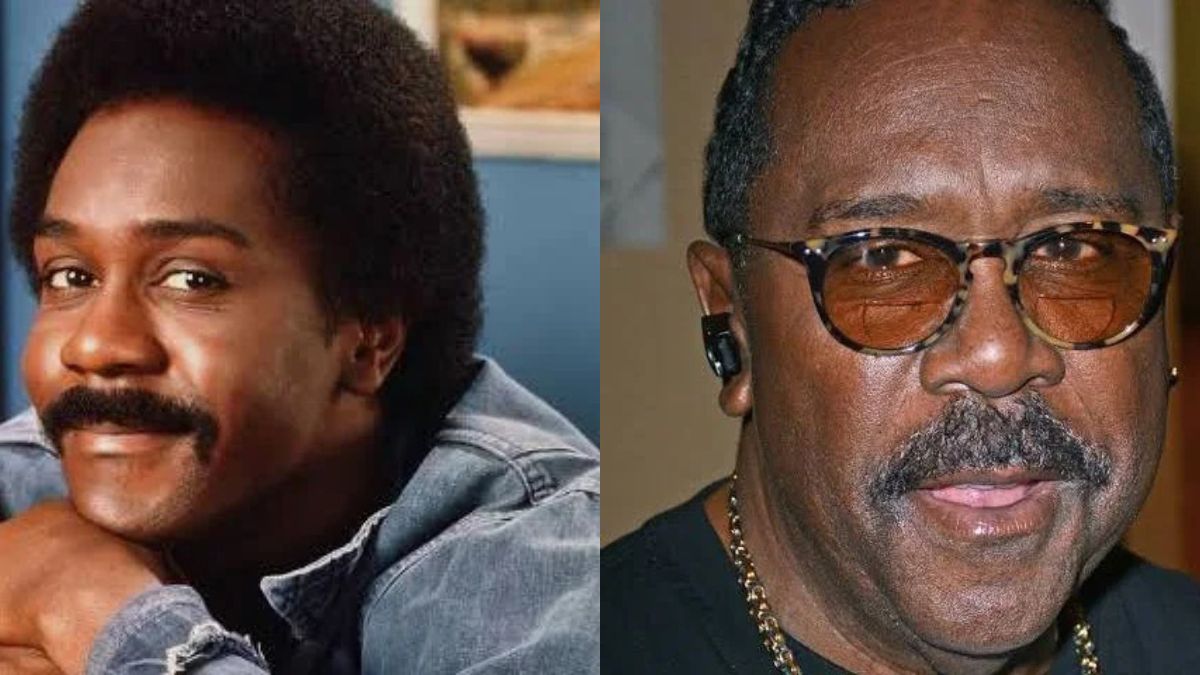
Net Worth and Career Earnings
Financial Disclaimer: Net worth estimates are based on publicly reported career earnings and are not officially confirmed figures. Actual wealth may vary.
According to Celebrity Net Worth, his estimated net worth is $2.5 million as of 2025. Other sources estimate between $1.5 million and $2.5 million, reflecting the difficulty of assessing wealth for someone who stepped away from high-earning entertainment work decades ago.
His peak earning years were during “Sanford and Son” and the immediate aftermath. The CBS $1 million contract in 1977 represented his biggest single payday. Residuals from “Sanford and Son” continue generating income through syndication, though residual payments have declined significantly in the streaming era compared to traditional broadcast reruns.
His ministry work doesn’t generate wealth the way acting did. Pastors earn modest salaries, and while his book sales and speaking engagements provide income, they’re not comparable to television salaries.
Real estate investments made during his peak earning years likely contribute to his current net worth. He’s maintained financial stability without returning to high-profile acting work, suggesting smart money management rather than lavish spending.
Family Life and Relationships
He married Cicely Loise Johnston on May 3, 1974, during the height of “Sanford and Son’s” success. They’ve remained together for over 50 years—a rarity in entertainment.
The couple has six children: Nicole, Melissa, Sarah, Christopher, Demond Jr., and Louise. He’s protected his family’s privacy throughout his career, rarely discussing them in detail publicly.
His long marriage stability contrasts sharply with Hollywood norms. Many actors from his era went through multiple marriages and divorces. His commitment to family aligns with the faith values he embraced, prioritizing stability over the chaos often associated with entertainment careers.
Education and Early Background
Born in Valdosta, Georgia, on October 13, 1946, he grew up primarily in New York City after his family relocated. His early life included exposure to performing arts—he made his Broadway debut at age four and danced at Harlem’s Apollo Theater by age 12.
He studied tap dance and ballet as a child, developing performance skills that served him later in acting. This early training gave him stage comfort and timing that translated well to television comedy.
At age 13, he served as a Catholic altar boy and seriously considered becoming a priest. That spiritual foundation, combined with his near-death experience from appendicitis, planted seeds that would later bloom into his ministry work.
He served in the United States Army from 1966 to 1968, assigned to the 4th Infantry Division in Vietnam. He was wounded in combat and returned home a decorated veteran. This military service came before his acting career took off and shaped his perspective on life, discipline, and purpose.
Life After Mainstream Acting
Beyond ministry, he’s remained productive as a writer. His 2009 memoir “Second Banana: The Bittersweet Memoirs of the Sanford & Son Years” provided behind-the-scenes details about the show’s production, his relationship with Redd Foxx, and the pressures of being second-billed on a hit series.
In the book, he described feeling hurt when Foxx left the show in 1974 without consulting him, breaking their pattern of making major decisions together. They reconciled briefly in 1983 when they reunited for a television special, but Wilson saw Foxx only that one time before Foxx’s death in 1991.
He took a break from acting between 2005 and 2023 but returned with a role in the television show “Eleanor’s Bench” in 2023, showing he hasn’t completely closed the door on performance work when the right projects appear.
He continues appearing at classic television conventions where fans of “Sanford and Son” gather. These events provide income and allow him to connect with people for whom the show remains meaningful decades later.
Achievements and Recognition
He never won major television awards despite “Sanford and Son’s” success and cultural impact. Emmy nominations during that era often overlooked sitcoms, particularly those featuring Black casts, in favor of prestige dramas.
His real achievement is legacy. “Sanford and Son” opened doors for Black actors and created opportunities for shows that followed. He and Redd Foxx proved that audiences of all backgrounds would watch and love a show centered on Black family life.
His successful transition from entertainment to ministry represents another kind of achievement—finding purpose and peace outside the industry that made him famous. Not many people manage that shift successfully.
Read Also: Alexander Skarsgård Profile: Roles, Roots, and the Career He Built Himself
About The Author