
Mark Manson became one of the most widely read writers of the 2010s by doing something unusual—he told people that positive thinking doesn’t solve everything. While other self-help authors promoted endless optimism and manifestation, he wrote about accepting life’s difficulties and choosing what’s worth caring about.
His writing style felt like talking to a smart friend who wasn’t trying to sell you anything. He used blunt language, questioned popular wisdom, and admitted his own failures openly. This honesty attracted millions of readers tired of motivational clichés.
People still search for information about his background because his ideas feel personal, not formulaic. Understanding where his perspective came from helps explain why his approach connected so strongly with a generation skeptical of traditional self-help.
Early Life and Growing Up
Mark was born on March 9, 1984, in Austin, Texas. He grew up in a middle-class family where education and achievement were valued, but he wasn’t pushed toward any specific path.
His childhood was relatively normal—he played sports, went to school, and dealt with the usual teenage struggles of figuring out who he was. Nothing about his early years suggested he would become a best-selling author.
He has described his younger self as insecure and uncertain, someone who didn’t have life figured out despite appearing okay on the surface. These early feelings of confusion would later shape his writing about authenticity and self-acceptance.
Family Background
Mark keeps details about his parents fairly private. He hasn’t publicly shared their names or extensive information about their careers or personal lives.
What he has mentioned is that his family environment was stable and supportive, though not particularly unusual. He had the freedom to explore interests and make mistakes without severe consequences.
This background gave him both security and space to question things, which influenced his later skepticism toward rigid success formulas and conventional wisdom.
Education and College Years
He attended Boston University, where he studied international business. College was a formative time, not just academically but personally.
During these years, he started questioning the standard path of getting good grades, landing a corporate job, and following the expected trajectory. The 2008 financial crisis happened around his graduation, which made traditional career paths feel less stable and appealing.
He has written about feeling lost during this period, unsure what he actually wanted from life beyond checking boxes that society told him mattered. This uncertainty wasn’t just a phase—it became central to his writing philosophy.
Early Career Struggles
After college, Mark worked in finance briefly but found it unfulfilling. He left that path and started experimenting with different ventures, including trying to build online businesses.
These early attempts mostly failed. He lost money, wasted time on projects that went nowhere, and dealt with the frustration of not knowing what he was doing wrong.
During this struggling period, he started writing online—not as a career plan but as a way to process what he was experiencing. He created a blog where he wrote about dating advice and personal development, drawing from his own messy experiences.
Building an Audience Through Blogging
His blog started small, but his writing style stood out. Instead of recycling positive platitudes, he wrote candidly about failure, confusion, and the gap between what people say they want and what actually makes them happy.
He wasn’t afraid to challenge popular ideas in the self-help space. He questioned whether following your passion was always good advice, whether more choices actually made people happier, and whether positive thinking solved real problems.
As documented on his official website markmanson.net, his audience grew steadily throughout the early 2010s. Readers appreciated the honesty and lack of manipulation in his approach.
His blog posts went viral on social media platforms, particularly pieces that challenged conventional self-help wisdom. This organic growth built a loyal readership before he ever published a book.
The Breakthrough Book
In 2016, he published “The Subtle Art of Not Giving a F*ck,” which became a cultural phenomenon. The book challenged the idea that positivity and caring about everything leads to happiness.
Instead, he argued that people should accept life’s limitations, choose carefully what to care about, and stop trying to be happy all the time. The message resonated deeply with readers exhausted by toxic positivity and endless self-improvement demands.
The book’s success wasn’t just about sales—it shifted conversations around self-help and personal development. his approach represented a backlash against traditional motivational content.
He followed with other books including “Everything Is F*cked: A Book About Hope,” which explored meaning and hope in modern life, and “Will,” a memoir he co-wrote with Will Smith.
Writing Philosophy and Ideas
Mark’s writing centers on a few core ideas that run through all his work. He believes that suffering is inevitable, so the question isn’t how to avoid it but how to choose what’s worth suffering for.
He emphasizes that limitations and constraints actually help people thrive, contradicting the common message that unlimited options and freedom lead to happiness. He argues that commitment and boundaries create meaning.
His writing also focuses on values—not in a preachy way, but as the foundation for decision-making. He suggests people examine what they actually value versus what they think they should value.
Public Reception and Criticism
His work has been both celebrated and criticized. Supporters appreciate the honesty and realistic approach to life’s challenges. Critics argue that his bluntness sometimes oversimplifies complex issues or that his advice works better for people with certain privileges.
Some traditional self-help figures dislike his approach because it contradicts their methods. Others in academia question whether his ideas, while popular, represent oversimplified psychology.
He has generally accepted criticism calmly, acknowledging that his books aren’t perfect and that different approaches work for different people. This openness to disagreement aligns with his message about accepting imperfection.
Physical Appearance and Presence
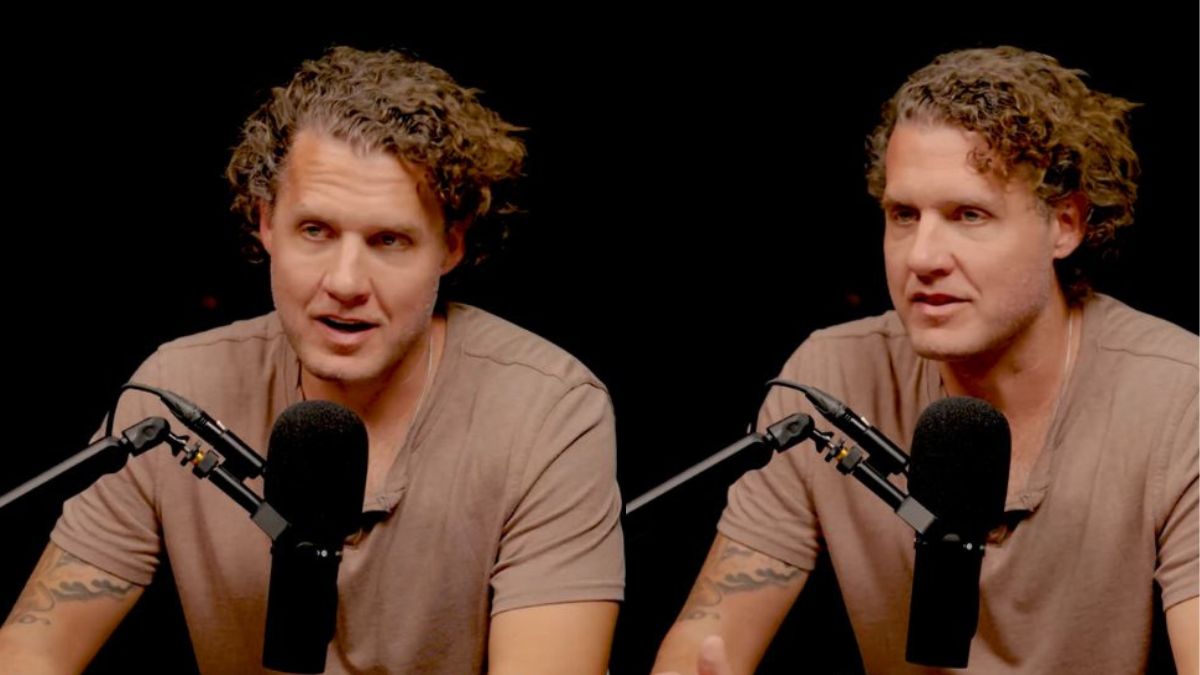
Mark appears in his public photos and speaking events as a casual, approachable person. He typically dresses simply and doesn’t project the polished image common among motivational speakers.
He’s mentioned being average height and having a regular build—nothing particularly notable physically. His appearance matches his message: there’s nothing extraordinary about him, which makes his ideas feel more accessible.
Read Also: Spencer Pratt: Fame, Public Image, and Life After Reality TV
Ethnicity and Cultural Background
Mark has not spoken extensively about his ethnic or cultural background in public interviews or writing. Based on available information, he appears to be of European descent, but he hasn’t made his heritage a focus of his public identity.
His writing and ideas don’t center on specific cultural experiences, instead addressing universal human struggles with meaning, choice, and values.
Religion and Beliefs
Mark describes himself as non-religious, though he’s interested in philosophical and existential questions that religions traditionally address. His writing draws from various philosophical traditions, including Stoicism and existentialism, without committing to any single system.
He has written about how people create meaning in life without relying on religious frameworks. His approach is more philosophical than spiritual, focusing on practical questions about how to live well.
Personal Life and Relationships
Mark is married to Fernanda Neute, a psychotherapist. They’ve been together for several years and occasionally share aspects of their relationship publicly, though they maintain significant privacy.
His wife’s background in psychology likely influences his thinking about human behavior and relationships. They appear to support each other’s work while keeping their personal life largely separate from his public presence.
He does not have children, based on public information available. He’s written about the choice to have or not have children as a significant values decision that people should make consciously.
Life Outside Writing
Beyond writing books and articles, Mark speaks at events and runs online courses related to his ideas. He’s built a business around his platform but maintains a relatively low-key lifestyle.
He has mentioned traveling frequently with his wife and enjoying experiences over material accumulation. This aligns with his writing about choosing what to value and spending resources accordingly.
He maintains his blog and email newsletter, continuing to share ideas and connect with readers beyond book publishing.
Net Worth and Income
Mark’s estimated net worth is in the range of $10-15 million. This comes primarily from book sales, speaking engagements, online courses, and his website platform.
His main book has sold millions of copies worldwide and been translated into dozens of languages. While exact royalty figures aren’t public, successful books at that scale generate substantial income.
He earns from speaking at corporate events and conferences where companies pay for his insights on values, decision-making, and workplace culture.
His website and email list generate income through online courses and partnerships. He’s selective about what he promotes, maintaining credibility with his audience.
Read Also: Alex Warren Biography: From Content Creator to Music Artist
About The Author