Lea Michele became a household name through her role on “Glee,” but her path to that moment began decades earlier on Broadway stages. What makes her story interesting isn’t just the success—it’s the unusual trajectory of someone who was a professional performer before most kids start high school.
People continue searching for information about her because her life represents both the dream and the complexity of entertainment careers. She achieved what many performers spend lifetimes chasing, yet her journey also included challenges that fame and talent alone couldn’t prevent.
Her story matters because it shows what happens when childhood discipline meets adult ambition, when Broadway training collides with television fame, and when public perception becomes as significant as actual work.
Early Life and Childhood
Lea was born on August 29, 1986, in the Bronx, New York. Her birth name was Lea Michele Sarfati, though she would later use her middle name professionally.
She grew up in a neighborhood where arts and culture felt accessible. New York City provided constant exposure to theater, music, and performance—advantages that shaped her early interests.
Her parents recognized her talent and drive early. Unlike many stage parents who push reluctant children, she genuinely wanted to perform. This internal motivation made the demanding schedule of child performing arts manageable.
Family and Cultural Background
Lea’s father, Marc Sarfati, worked as a delicatessen owner, while her mother, Edith Thomasina, was a nurse. Her family background included Italian and Sephardic Jewish heritage, giving her a multicultural upbringing in a diverse New York environment.
Her family wasn’t wealthy or connected to entertainment industry power structures. They were working-class people who supported their daughter’s ambitions through effort rather than influence.
The combination of her mother’s practical healthcare background and her father’s small business ownership created a home environment that valued both creativity and work ethic—a balance that served her throughout her career.
While Lea has openly acknowledged her Jewish heritage as part of her cultural identity, she has rarely spoken in detail about religious practice itself. In interviews, she tends to frame belief as a personal matter rather than a public identity, keeping the focus on work and family instead.
Starting on Broadway as a Child
At age eight, Lea was cast in “Les Misérables” on Broadway, playing Young Cosette. This wasn’t a school play—it was professional theater with eight shows a week and adult-level expectations.
Being a child performer on Broadway requires extraordinary discipline. She attended professional children’s school, balanced homework with rehearsals, and learned stage craft from experienced adult actors.
She continued in Broadway shows throughout her childhood and teenage years, including roles in “Ragtime” and eventually originating the role of Wendla in “Spring Awakening” when she was 20. That role, in particular, established her as a serious stage actress with both vocal power and dramatic range.
The Broadway years gave her something most television actors don’t have—years of performing live without retakes, building stamina and stage presence that can’t be taught in acting classes.
Read Also: Keke Palmer: From Child Star to Entertainment Mogul
The Transition to Television
In 2009, everything changed when “Glee” premiered on Fox. Lea played Rachel Berry, an ambitious high school student obsessed with Broadway and musical theater—a role that drew directly from her own background.
The show became a cultural phenomenon almost immediately. Suddenly, she wasn’t just a respected stage actress—she was recognizable to millions of people who had never seen a Broadway show.
Her performance on “Glee” showcased her vocal abilities to mainstream audiences. Songs from the show topped charts, and the cast became genuine pop culture figures during the show’s peak years.
According to entertainment industry coverage, her Broadway background gave her a foundation that many television actors lack, allowing her to handle the demanding musical requirements of the role with ease.
When Fame Became Complicated
Success on “Glee” brought opportunities but also intense public scrutiny. Every aspect of her life became subject to media coverage and public opinion.
During the show’s run, she experienced personal tragedy when her boyfriend and co-star Cory Monteith died in 2013. Processing grief while continuing to work and live under public attention added layers of difficulty to an already demanding career.
In later years, she faced public criticism related to her behavior on set and treatment of colleagues. Multiple cast members shared negative experiences working with her, leading to widespread discussions about workplace dynamics and accountability in entertainment.
She addressed some of these issues publicly, acknowledging that her drive and intensity sometimes manifested as behavior that hurt others. This reckoning was difficult but represented growth that many public figures avoid entirely.
Physical Presence and Style
Lea stands approximately 5’3″ (160 cm), which is relatively petite, though her stage presence makes her seem larger. Years of theater training taught her how to command attention and project energy beyond physical size.
Her style has evolved from the somewhat awkward character she played on “Glee” to a more polished, classic aesthetic. She often favors elegant, feminine looks that feel Broadway-appropriate rather than trendy.
Her vocal power is her most distinctive physical characteristic—she has the kind of belt voice that carries through theaters without amplification, a rarity that comes from years of proper training and performance.
Life Beyond Glee
After “Glee” ended in 2015, Lea worked to establish herself beyond Rachel Berry. She returned to Broadway in “Les Misérables,” this time playing adult Fantine—a full-circle moment given her childhood role in the same show.
She released albums, appeared in other television projects, and wrote books about health and lifestyle. None of these ventures reached the cultural impact of “Glee,” but they demonstrated her desire to build a multifaceted career.
She also took on “Funny Girl” on Broadway in 2022, stepping into a role famously associated with Barbra Streisand. The reviews were largely positive, confirming that her strongest work happens on stage where her training and natural abilities align perfectly.
Marriage and Motherhood
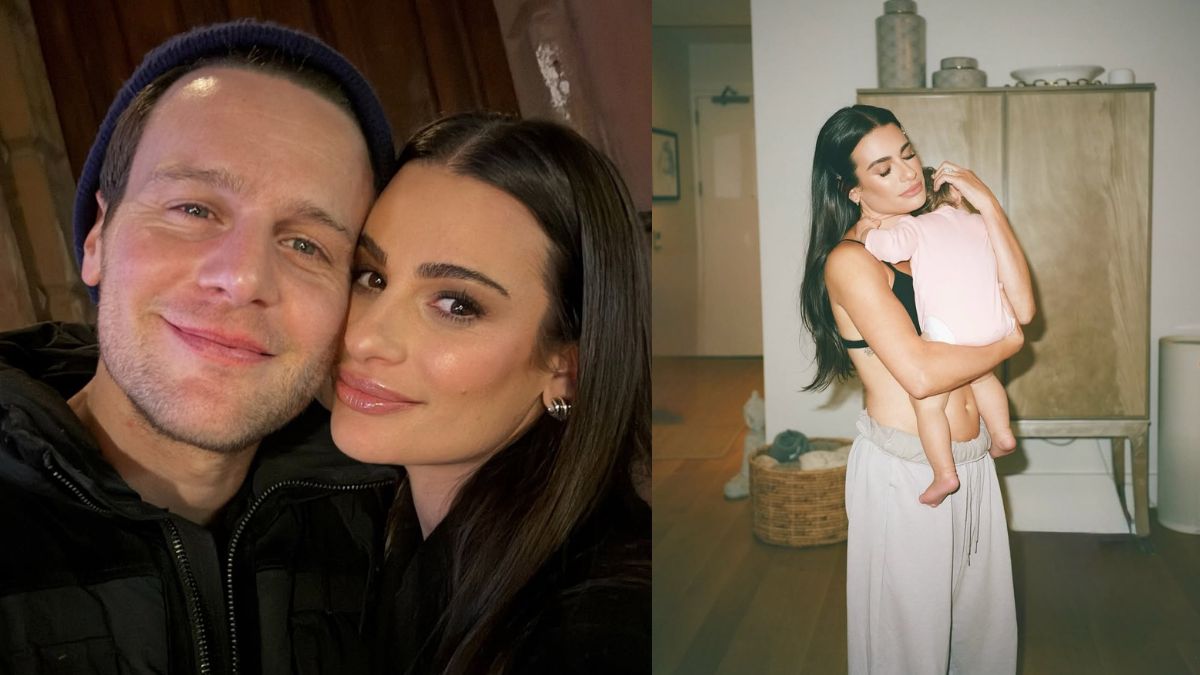
Lea married businessman Zandy Reich in 2019. He works in fashion and business rather than entertainment, keeping their relationship somewhat separate from her public career.
In August 2020, they welcomed their first child, a son named Ever Leo Reich. She shares occasional glimpses of motherhood on social media but maintains more privacy around her family than many celebrity parents.
Her approach to parenting seems influenced by wanting to protect her son from the intensity of public attention she experienced. She posts selectively, showing enough to connect with fans who are interested but not documenting every moment.
As noted in verified interviews featured on reputable entertainment sites like Variety, she has spoken about how motherhood changed her perspective on work-life balance and what matters most to her now.
Net Worth and Income Sources
Lea’s estimated net worth is reported to be in the range of $12-15 million. This wealth accumulated through diverse income sources over two decades of professional work.
Her primary earnings came from “Glee” during its six-season run. Main cast members on successful network shows earn substantial per-episode fees, especially as shows continue and contracts are renegotiated.
Broadway work, while prestigious, pays less than television. However, starring roles in major productions still provide significant income, particularly in long runs.
Her music releases, books, and brand partnerships added to her overall financial stability. She’s selective about endorsements, generally choosing partnerships that align with lifestyle and wellness themes.
Read Also: Gabriel Basso: Career Journey, Personal Life and The Night Agent Success
About The Author