Johnny Somali became one of the internet’s most controversial figures through live-streaming content that sparked outrage across multiple countries. His confrontational approach to content creation has resulted in legal troubles, public backlash, and widespread condemnation.
Understanding his story requires examining both the persona he created and the real person behind the inflammatory content. His actions have raised serious questions about the ethics of content creation, cultural respect, and the consequences of chasing online notoriety.
This biography presents verified information about his background, controversies, and the impact of his actions while maintaining factual accuracy and avoiding sensationalism.
Quick Profile
| Detail | Information |
|---|---|
| Real Name | Ramsey Khalid Ismael |
| Known As | Johnny Somali |
| Date of Birth | 1999 (exact date not publicly confirmed) |
| Age | Approximately 26-27 years old |
| Birthplace | United States (Arizona) |
| Nationality | American |
| Ethnicity | Somali-American (Ethiopian heritage) |
| Height | Approximately 5’9″ – 5’10” |
| Occupation | Live Streamer (controversial) |
| Platform | Kick.com and other streaming platforms |
Real Identity: Ramsey Khalid Ismael
The person known online as “Johnny Somali” is actually Ramsey Khalid Ismael, an American citizen who adopted the provocative online persona to gain attention and controversy.
The choice of the name “Johnny Somali” itself has been criticized as misleading and potentially harmful to the Somali community. Many Somalis have publicly distanced themselves from his actions and condemned his use of their nationality in his controversial content.
His real identity became widely known after legal troubles in various countries required official documentation and court proceedings. Public records and news reports confirmed his legal name as Ramsey Khalid Ismael.
The deliberate creation of a persona designed to provoke and offend represents a calculated approach to gaining online notoriety. This strategy prioritized attention and shock value over any positive contribution to discourse or entertainment.
Understanding the distinction between the online character and the real person is important, though it does not excuse the actions taken under either name.
Early Life and Background
Ramsey Khalid Ismael was born in the United States, reportedly in Arizona, in 1999. Details about his childhood and upbringing remain limited, as he has not extensively discussed his early life publicly.
Growing up in America during the rise of social media and streaming platforms influenced his eventual career path. The monetization of controversial content and the attention economy shaped what he would later pursue.
His education background has not been publicly documented in detail. It’s unclear whether he completed high school or pursued any college education before dedicating himself to live streaming.
The factors that led him to choose extremely controversial content creation as a career path are not fully known. Understanding what motivates someone to deliberately provoke international incidents requires examining broader trends in online culture and attention-seeking behavior.
His early content apparently began on platforms before he gained wider notoriety, though the exact timeline of his streaming career development is not comprehensively documented.
Ethnicity and Cultural Background
Ramsey Khalid Ismael is of Ethiopian heritage, though he has used “Somali” in his online persona. This has created significant confusion and controversy, particularly within East African communities.
His use of “Somali” when he is reportedly of Ethiopian background has been viewed as disrespectful by many in both communities. The Somali community specifically has repeatedly stated that he does not represent them and that his actions harm their reputation.
Ethiopia and Somalia are neighboring East African countries with distinct cultures, histories, and identities. The conflation or misrepresentation of these identities is problematic and reflects either ignorance or deliberate provocation.
His Ethiopian heritage connects him to a rich cultural tradition with ancient history, distinctive cuisine, Orthodox Christian and Islamic religious traditions, and unique languages including Amharic and Oromo.
The disconnect between his heritage and how he has chosen to represent himself online demonstrates a lack of respect for cultural identity and the communities he claims connection to.
Family and Parents
Very little verified information is publicly available about Ramsey Khalid Ismael’s parents or immediate family. He has not discussed his family extensively in public content or interviews.
This privacy regarding family is one of the few boundaries he appears to maintain. Given the international controversy surrounding his actions, keeping family members out of public scrutiny may be intentional.
It’s unknown whether his family supports, opposes, or has any involvement with his controversial streaming career. Many families of controversial internet personalities distance themselves publicly to avoid association with negative actions.
Cultural expectations within Ethiopian and broader East African communities often emphasize family honor, respect for elders, and community reputation. His actions appear to conflict with these traditional values.
Without direct statements from family members, speculation about their views or involvement would be inappropriate. However, the impact of his actions likely extends to his family regardless of their personal positions.
Religion and Beliefs
Ramsey Khalid Ismael has not made clear, consistent public statements about his religious beliefs. Given his Ethiopian background, he could come from either Christian or Muslim heritage, as Ethiopia has significant populations of both.
His online behavior suggests that religious values do not guide his content creation choices. The deliberate provocations, disrespectful behavior, and offensive actions conflict with the teachings of major world religions.
Some of his controversial actions have specifically involved religious sites and symbols, demonstrating either profound disrespect or calculated provocation designed to generate maximum outrage.
Whether he personally identifies with any religious tradition or practices any faith is not publicly documented. His actions speak louder than any claimed religious affiliation might.
The Ethiopian Orthodox Christian tradition and Islamic traditions both emphasize respect, dignity, and proper conduct—values that appear absent from his public persona and content.
Physical Appearance and Height
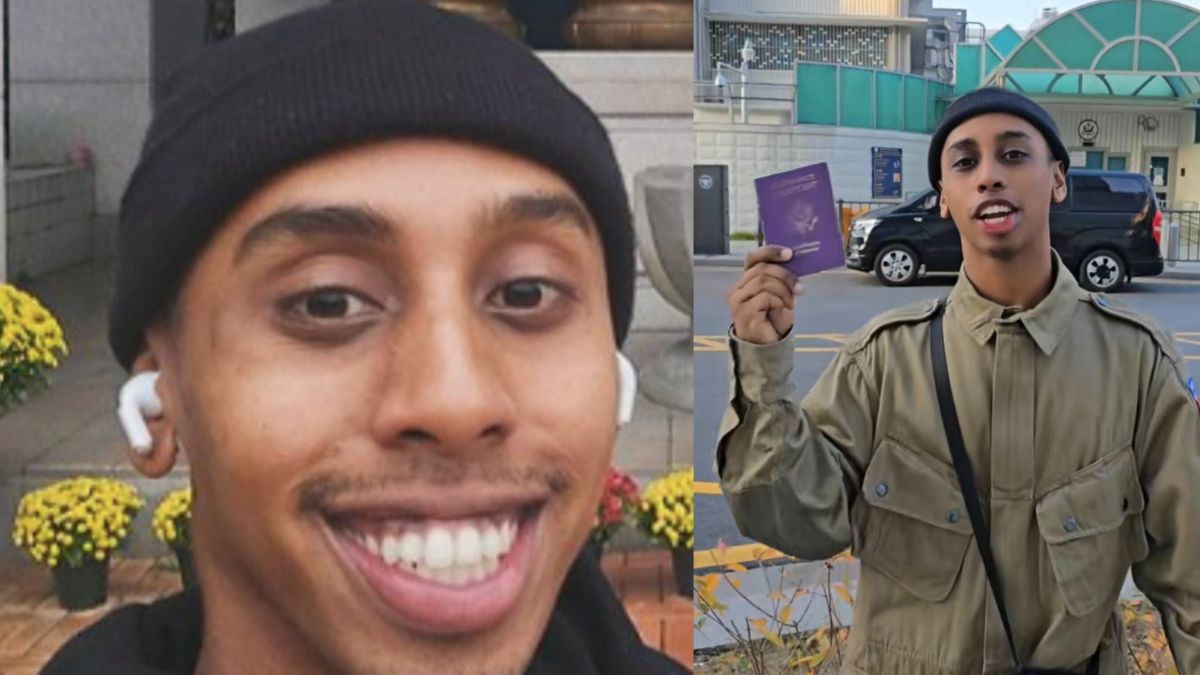
Ramsey Khalid Ismael stands approximately 5 feet 9 inches to 5 feet 10 inches tall, based on appearances in videos and photographs. His height is average for American males.
He has a slim to average build and typically appears in casual clothing in his streams. His appearance is unremarkable compared to the extreme nature of his content.
His physical presence has occasionally become relevant during confrontations he deliberately provokes. Several incidents have resulted in physical altercations when his provocations escalated beyond verbal exchanges.
The contrast between his relatively average physical appearance and the extreme reactions he generates highlights how his behavior, rather than any physical characteristic, drives the controversy surrounding him.
Rise to Notoriety Through Controversy
Johnny Somali gained attention through a specific type of content: traveling to foreign countries and deliberately provoking locals through offensive behavior, racial slurs, and cultural disrespect.
His approach involved live streaming these provocations in real-time, capturing reactions and escalations as they occurred. This “IRL streaming” (in real life) format has become increasingly controversial.
Early content reportedly involved similar provocations in the United States before he expanded internationally. The escalation from domestic to international controversies increased both his notoriety and the severity of consequences.
The business model relies on shock value generating views, which translate to revenue through platform subscriptions, donations, and advertising. This monetization of offensive behavior creates perverse incentives to escalate provocations continually.
Controversies in Japan
Johnny Somali’s actions in Japan in 2023 created one of his most significant international controversies. His behavior in the country led to widespread condemnation and legal consequences.
He engaged in deliberately offensive behavior including harassing locals, making inappropriate comments, causing disturbances in public spaces, and disrespecting cultural norms and locations.
Specific incidents included inappropriate behavior at memorial sites, harassment of service workers and random citizens, and deliberately antagonizing people while live streaming their reactions.
Japanese authorities took his actions seriously, leading to his arrest and detention. According to reports from Japanese news outlets and international coverage, he faced potential criminal charges for his behavior.
The Japanese public’s reaction was overwhelmingly negative. His actions were seen as disrespectful to Japanese culture and hospitality, violating the social norms that emphasize respect and harmony.
His treatment of Japan, a country known for its hospitality toward tourists, demonstrated particular disregard for cultural sensitivity and basic human decency.
Legal Troubles in South Korea
Johnny Somali’s controversies continued in South Korea, where his provocative behavior led to even more serious legal consequences and public backlash.
He engaged in offensive actions including making inappropriate comments about historical tragedies, harassing Korean citizens, and deliberately provoking reactions through racist and culturally insensitive statements.
One particularly egregious incident involved inappropriate behavior related to the “comfort women” memorial, a deeply sensitive historical issue in Korea. This action sparked massive outrage among Koreans both domestically and internationally.
He was banned from leaving South Korea while facing potential criminal charges including obstruction of business and creating public disturbances.
The Korean public’s response was intense and widespread. Social media campaigns, news coverage, and public statements condemned his actions. Some individuals confronted him directly, leading to physical altercations.
His legal situation in South Korea became serious enough that he faced potential imprisonment. The Korean justice system took his violations seriously, treating them as criminal matters rather than mere content creation.
Platform Bans and Consequences
Johnny Somali has been banned from multiple streaming platforms due to violations of terms of service regarding harassment, hate speech, and dangerous behavior.
Kick.com, the platform where he primarily streamed, eventually banned him after his Japan and South Korea controversies reached levels that created liability and reputational risks for the platform itself.
The pattern of platform bans reflects the tension between platforms’ desire for engagement and their need to maintain community standards and legal compliance.
Each ban typically led him to seek alternative platforms or methods of streaming, demonstrating how difficult it is to completely deplatform determined controversial creators.
The effectiveness of platform enforcement varies significantly. Some platforms act quickly against violations while others tolerate behavior until public pressure or legal issues force action.
The Business Model of Controversy
Understanding Johnny Somali requires examining the economic incentives that drive extreme controversial content creation. His approach represents a dark side of the creator economy.
Controversial content generates attention, which translates to views, which converts to revenue through subscriptions, donations, and advertising. The more extreme the content, the more attention it receives.
This creates a perverse incentive structure where creators are rewarded for increasingly offensive behavior. The algorithm and economic model don’t distinguish between positive and negative attention.
Viewers who watch to criticize or express outrage still provide the engagement metrics that generate revenue. This means that even universal condemnation can be profitable if it drives viewership.
The sustainability of this model depends on continually escalating provocations. Once an audience becomes desensitized to one level of offense, creators must push further to maintain attention.
According to analysis from digital culture researchers and publications covering internet trends, this attention economy creates serious ethical problems that platforms and societies struggle to address effectively.
Net Worth and Income Sources
Johnny Somali’s net worth is difficult to estimate accurately, but it’s likely significantly lower than many assume given his legal troubles, platform bans, and expenses related to international controversies.
His income during active streaming periods came from platform subscriptions, live donations from viewers, and potentially sponsorships, though major brands avoid association with controversial creators.
Legal fees, fines, and potential criminal penalties in multiple countries have likely consumed significant portions of any earnings. Lawyers for international legal defense are expensive.
Platform bans eliminate revenue streams, creating income instability. Without consistent access to monetization platforms, sustaining income from controversy becomes challenging.
His net worth is likely modest at best, potentially negative when accounting for legal debts and ongoing expenses. The controversial creator path rarely leads to sustainable long-term wealth.
The costs of his lifestyle—international travel, legal troubles, and constant controversy—likely exceed the revenue generated, especially as platforms increasingly refuse to monetize his content.
Public Reactions and Vigilante Justice
Johnny Somali’s provocations have led to physical confrontations in multiple countries. His deliberate antagonism occasionally results in violent responses from those he targets.
In South Korea particularly, several incidents involved Korean citizens physically confronting him after offensive behavior. These confrontations, while understandable given his provocations, raised concerns about vigilante justice.
Public sentiment in countries he’s visited has been overwhelmingly negative. Government officials, media personalities, and ordinary citizens have condemned his actions and called for consequences.
The question of appropriate responses to his behavior is complex. While his actions are indefensible, physical violence creates legal and ethical complications regardless of provocation.
Social media reactions have ranged from calls for legal prosecution to expressions of satisfaction when he faces consequences. This reveals tensions about justice, proportionality, and appropriate responses to offensive behavior.
Impact on Streaming Culture
Johnny Somali represents broader problems within IRL streaming culture, where creators travel while broadcasting live interactions with unsuspecting public.
His extreme behavior highlights the lack of consent from people who become unwilling participants in content creation. Strangers filmed during provocations never agreed to be content.
The normalization of harassment as entertainment creates cultural problems beyond individual creators. It influences what audiences expect and what aspiring creators might emulate.
Platform responsibility for moderating IRL content remains inadequate. The live nature of streaming creates challenges for real-time moderation, but platforms must develop better systems.
His controversies have sparked discussions about whether IRL streaming as currently practiced can exist ethically without stronger regulations and enforcement mechanisms.
Cultural Insensitivity and Racism
Many of Johnny Somali’s provocations involve explicitly racist comments, cultural mockery, and deliberate disrespect toward the countries and peoples he encounters.
His content has included racial slurs, stereotyping, and actions specifically designed to offend cultural and historical sensitivities. These aren’t accidental missteps but calculated provocations.
The targeting of Asian countries specifically raises questions about underlying prejudices and the exploitation of perceived cultural differences for shock value.
His behavior contributes to negative stereotypes about Americans abroad and damages cross-cultural understanding. Individual actions can have broader diplomatic and cultural consequences.
The defense sometimes offered—that it’s “just content” or “entertainment”—fundamentally misunderstands the real harm caused by racism and cultural disrespect, regardless of claimed intent.
Personal Life and Relationships
Very little is known about Johnny Somali’s personal life, relationships, or private circumstances beyond his public controversies. He does not appear to share personal details beyond his provocative content.
Whether he maintains friendships, romantic relationships, or family connections while pursuing this controversial career path is unknown. The lifestyle he’s chosen likely makes normal relationships difficult.
The impact of being internationally condemned and facing legal troubles in multiple countries on personal wellbeing and relationships would be significant, though he does not discuss these aspects publicly.
His life appears consumed by the controversy-generation cycle, leaving little visible space for normal personal development, relationships, or pursuits beyond streaming provocations.
Current Status and Legal Situation
As of early 2026, Johnny Somali’s legal situation in South Korea and potentially other countries remains unresolved or subject to ongoing proceedings. Exact current status requires checking recent legal records.
He has been banned from major streaming platforms, limiting his ability to monetize content through traditional channels. This significantly impacts his controversial content business model.
Public interest in his controversies has waned somewhat as attention cycles move to other topics, though his actions’ consequences continue affecting him legally and financially.
Whether he will face prison time, substantial fines, or other penalties depends on ongoing legal proceedings in various jurisdictions where he violated laws.
His future prospects appear limited. The combination of legal troubles, platform bans, international controversy, and reputational damage creates significant barriers to any conventional career or continued content creation.
Broader Implications for Content Creation
Johnny Somali’s story raises important questions about the ethics of content creation, platform responsibility, and the consequences of the attention economy.
The fact that someone can build an audience and generate revenue through deliberate harm and cultural disrespect reveals systemic problems in how online platforms operate and incentivize behavior.
Platforms must balance free expression with responsibility for the harms their systems enable and profit from. Current approaches clearly fail to prevent the most egregious abuses.
Viewers also bear responsibility. Engagement with controversial content, even hate-watching, funds and encourages its production. Without audiences, the business model collapses.
Society must grapple with how to handle individuals who deliberately violate norms and laws for attention while technology enables them to broadcast and profit from these violations globally.
Lessons and Warnings
Johnny Somali’s trajectory offers cautionary lessons about the consequences of pursuing notoriety through controversy and the limitations of negative attention as a sustainable strategy.
Short-term attention and revenue came at the cost of criminal records, international bans, universal condemnation, and severely limited future prospects. The trade-off appears fundamentally unsound.
The temporary nature of internet fame, especially fame built on offense, means that long-term consequences far outlast any brief period of notoriety or income.
Young people considering similar paths should recognize that actions have consequences that extend far beyond the digital realm into legal systems, personal relationships, and life opportunities.
The internet’s permanence means his actions will follow him indefinitely. Attempting to rebuild reputation or pursue normal opportunities after such comprehensive public condemnation will be extremely difficult.
Frequently Asked Questions
What is Johnny Somali’s real name?
His real name is Ramsey Khalid Ismael. “Johnny Somali” is an online persona he created for his controversial streaming content.
Is Johnny Somali actually Somali?
No, he is reportedly of Ethiopian heritage, not Somali. His use of “Somali” in his online name has been criticized as misleading and disrespectful to the Somali community.
What countries has Johnny Somali been banned from?
He has faced legal troubles and potential travel bans in Japan and South Korea due to his offensive behavior and criminal violations in those countries.
What is Johnny Somali’s net worth?
His exact net worth is unknown, but it is likely modest or potentially negative when accounting for legal fees, fines, and expenses related to his international controversies.
Why was Johnny Somali arrested in South Korea?
He was arrested for multiple violations including obstruction of business, creating public disturbances, and offensive behavior related to sensitive historical and cultural sites.
How tall is Johnny Somali?
He is approximately 5 feet 9 inches to 5 feet 10 inches tall based on video appearances.
What platforms has Johnny Somali been banned from?
He has been banned from multiple streaming platforms including Kick.com and others due to violations of terms of service regarding harassment and offensive content.
Read Also:
About The Author