
Ryan Schwank is a former Immigration and Customs Enforcement employee who testified to Congress in February 2026 about problems he saw inside the agency. He resigned from his position on February 13, 2026, after working as an ICE attorney.
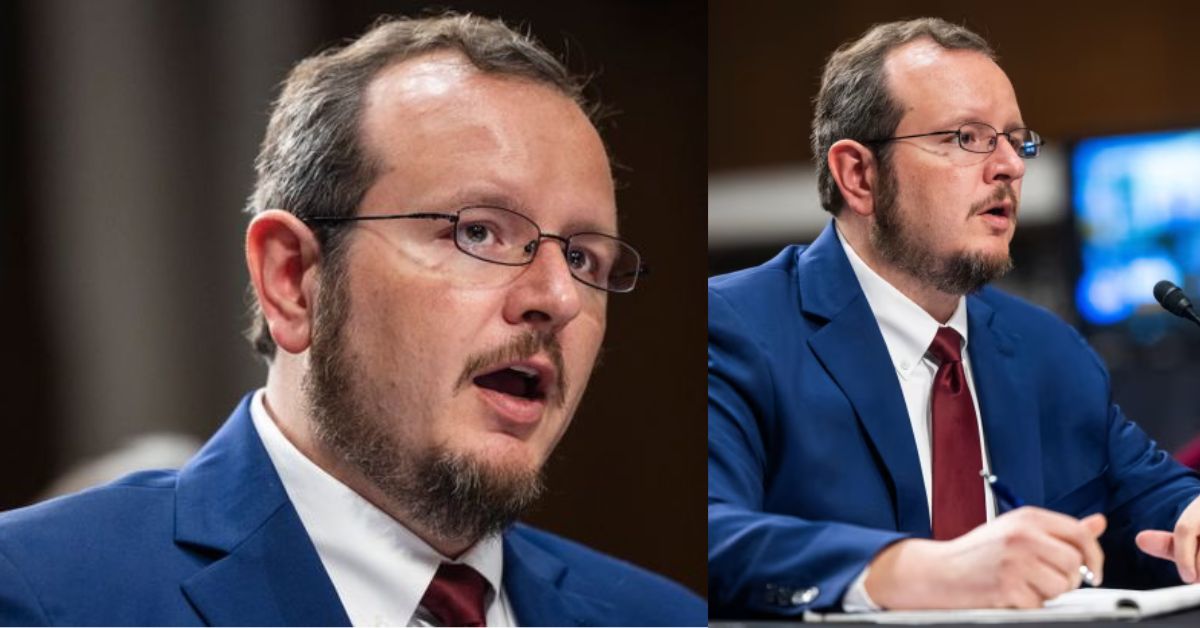
His testimony on February 23, 2026, focused on what he described as inadequate training for ICE agents and operational issues within the agency. He became one of several federal employees who have spoken publicly about concerns within immigration enforcement agencies.
Whistleblowers in government face difficult choices. Speaking out can damage careers and create personal problems, but many believe exposing serious issues is more important than protecting their jobs.
Background and Career
Ryan Schwank worked as an attorney for Immigration and Customs Enforcement. ICE is a federal law enforcement agency under the Department of Homeland Security that handles immigration enforcement and related security functions.
Details about his early life, where he grew up, and his education are not available in public records. Like many federal employees, information about his personal background remains private.
According to congressional testimony records available, he worked within ICE’s legal operations where he had direct knowledge of how the agency trained its agents and handled enforcement activities.
His role gave him insight into agency operations that outside observers don’t typically see. This inside perspective made his testimony valuable to congressional oversight committees examining ICE practices.
Read Also: John Barron Biography: Journalism Career, Wife, Parents, Education & Height
Working at ICE
ICE employs thousands of people in various roles including special agents, deportation officers, attorneys, intelligence analysts, and administrative staff. The agency has been at the center of intense political debates about immigration enforcement in recent years.
Working at ICE during this period meant being part of an organization under constant public scrutiny. Employees dealt with external political pressure while trying to perform their assigned duties.
Schwank worked within this environment until he decided that internal problems he observed needed to be addressed publicly. His decision to resign and testify came after what he described as attempts to address concerns through internal channels.
The Decision to Testify
Ryan Schwank resigned from ICE on February 13, 2026, citing what he called a “crisis of conscience.” Ten days later, he testified before Congress about his concerns.
According to news reports from, his testimony focused on training deficiencies that he believed put both agents and the public at risk.
Becoming a whistleblower requires accepting significant personal and professional consequences. Federal whistleblower protections exist, but they don’t prevent all forms of retaliation or career damage.
His testimony described situations where ICE agents were not adequately prepared for complex enforcement work. He raised concerns about the quality and comprehensiveness of training programs.
What He Testified About
The core of his congressional testimony involved training issues within ICE. In law enforcement, inadequate training can lead to serious problems including officer safety risks, improper use of authority, and violations of people’s rights.
He testified that some ICE agents were sent into the field without sufficient preparation for the situations they would face. This included concerns about both the duration and content of training programs.
Immigration enforcement involves complex legal issues, interactions with vulnerable populations, and sometimes dangerous situations. Proper training is essential for agents to do their jobs correctly and safely.
His testimony added to growing concerns about ICE operations that have been raised by other former employees, advocacy organizations, and oversight investigators in recent years.
Legal Protections for Whistleblowers
Federal law provides some protections for government employees who report problems. The Whistleblower Protection Act prohibits retaliation against employees who disclose information about violations of law, mismanagement, or dangers to public safety.
However, these protections have limitations. They don’t guarantee job security, and proving retaliation in court can be difficult and expensive.
Many federal whistleblowers face professional isolation, difficulty finding new employment, and financial stress even with legal protections in place. The personal cost of whistleblowing often extends beyond the immediate job loss.
Public and Political Response
Reactions to whistleblower testimony vary based on political perspectives. Those concerned about immigration enforcement practices view whistleblowers as exposing necessary truths. Those who support stronger enforcement may question their motivations.
Congressional oversight committees use whistleblower testimony to examine agency practices and consider potential reforms. Whether testimony leads to actual changes within organizations depends on sustained political attention and will.
Career Impact and Future
Information about Ryan Schwank’s plans after leaving federal employment is not publicly available. Many whistleblowers prefer to maintain privacy after their public testimony.
The career path for federal whistleblowers is often difficult. Specialized government experience may not transfer easily to private sector work, and public profiles can complicate job searches.
Some former government whistleblowers move into advocacy work, speaking about the issues they exposed. Others seek to return to private life away from public attention.
Personal Life
Ryan Schwank has kept his personal life private. Details about his family, relationships, marital status, or children are not publicly known.
This privacy is common among federal employees who become whistleblowers. Many prefer to keep personal matters separate from their public testimony to protect family members from attention.
He has not publicly discussed hobbies, interests, or activities outside his former professional role. His public profile remains focused on his whistleblower testimony rather than personal details.
Net Worth and Financial Information
No information about Ryan Schwank’s net worth or financial situation is publicly available. Federal employee salaries are public record, but personal wealth, savings, or assets are private.
As a federal attorney, he would have earned a salary consistent with government pay scales for legal professionals. However, specific figures for his position and grade level have not been disclosed.
Whistleblowers often face financial challenges after leaving federal employment. Legal expenses, employment gaps, and career disruption can create economic hardship that lasts for years.
Read Also: Aileen Cannon Biography: Federal Judge, Career and Personal Life
About The Author