
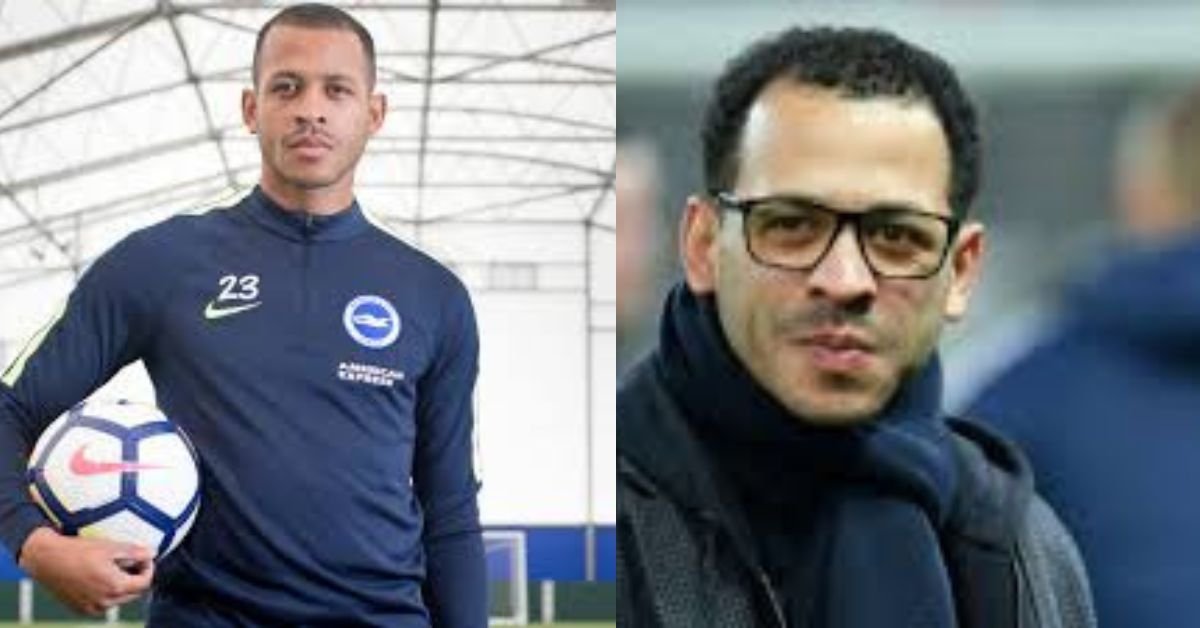
Liam Rosenior has completed one of the most remarkable journeys in modern English football—from a dependable defender playing over 380 professional matches to becoming head coach of Chelsea Football Club, one of the world’s most prestigious teams. His appointment on January 6, 2026, represents a significant moment not just for him personally but for the changing landscape of football management.
What makes his story particularly compelling is the speed and unconventional path of his rise. After retiring as a player in 2018, he spent less than eight years in coaching roles before being handed the reins at Stamford Bridge. His journey took him through interim positions, challenging club situations, and an unusual stint in French football that ultimately proved to be the final preparation for his biggest opportunity.
Quick Overview
Liam Rosenior is a former English professional footballer who transitioned into coaching and is now the head coach of Chelsea Football Club. He played as a right-back for clubs including Fulham, Reading, Hull City, and Brighton during a 16-year career before moving into coaching roles at Derby County, Hull City, and Strasbourg. His coaching philosophy emphasizes possession-based football, youth development, and tactical flexibility.
| Category | Details |
|---|---|
| Full Name | Liam James Rosenior |
| Date of Birth | July 9, 1984 |
| Age | 40 years (turning 41 in 2026) |
| Birthplace | Wandsworth, London, England |
| Nationality | British |
| Heritage | Sierra Leonean descent (through father) |
| Playing Position | Right-back / Full-back |
| Playing Career | 2002-2018 (16 years) |
| Total Appearances | 380+ senior matches |
| Current Role | Head Coach, Chelsea FC (appointed January 6, 2026) |
| Contract | Until 2032 (6.5 years) |
| Previous Managerial Roles | Derby County (interim), Hull City, RC Strasbourg |
| Father | Leroy Rosenior (former player and manager) |
| Family | Married with four daughters |
Early Life and Football Background
Liam was born on July 9, 1984, in Wandsworth, London, into a family where football wasn’t just a sport—it was woven into daily life. His father, Leroy Rosenior, had enjoyed a successful playing career as a striker for clubs including Fulham, Queens Park Rangers, and West Ham United before transitioning into football management and becoming a prominent voice in anti-racism campaigns within the sport.
Growing up with a father in professional football provided unique insights from an early age. He spent childhood years on touchlines, in dressing rooms, and observing team talks alongside his father. These experiences gave him an understanding of football tactics, team psychology, and leadership that most players don’t acquire until much later in their careers.
His father’s Sierra Leonean heritage gave him a multicultural perspective, and watching Leroy navigate the challenges of being a Black player and manager in English football during the 1980s and 1990s influenced his own views on diversity, inclusion, and social responsibility within the sport. These formative years created a foundation that would later inform both his playing style and coaching philosophy.
Playing Career as a Professional Footballer
Liam Rosenior’s professional journey began at Bristol City, where he progressed through the youth academy and made his Football League debut in April 2002 as a teenager. Initially deployed as a midfielder, he showed the versatility that would become a trademark throughout his career. His debut was impressive—coming off the bench and immediately providing an assist, showing confidence beyond his years.
In 2003, he was part of the Bristol City team that won the Football League Trophy, scoring in the final against Carlisle United at the Millennium Stadium. This early success gave him a taste of what winning felt like at a professional level.
Fulham recognized his potential and signed him for £55,000 in November 2003. At Craven Cottage, he transitioned permanently to right-back, a position where his tactical intelligence, reading of the game, and ability to contribute in attack made him valuable. His Premier League debut came in December 2004 against Manchester United, where he earned Man of the Match honors—a remarkable achievement for a young player in such a high-pressure environment.
His career path took him to Reading, Ipswich Town on loan, and then Hull City, where he spent five significant years from 2010 to 2015. At Hull, he became a respected figure both on and off the pitch. One of his career highlights came in 2014 when he started in the FA Cup Final at Wembley Stadium against Arsenal. Although Hull lost 3-2 after leading 2-0, the experience of playing in such a prestigious match at the national stadium represented the pinnacle of his playing achievements.
He concluded his playing career at Brighton and Hove Albion between 2015 and 2018, contributing to the club during their time in the Championship. Throughout his 16 years as a professional, he accumulated over 380 senior appearances and represented England at U20 and U21 levels, earning 11 youth caps.
Transition from Player to Coach
When he retired from playing in 2018 at age 34, the move into coaching felt like a natural progression given his background. Rather than immediately seeking high-profile positions, he took a measured approach, joining Brighton’s academy as an assistant coach with the Under-23 team.
This period was crucial for his development as a coach. He studied coaching methodologies, earned his UEFA coaching badges, and began formulating his own ideas about how modern football should be played. Working with young players allowed him to develop his teaching methods and learn how to communicate tactical concepts effectively.
Simultaneously, he worked as a television pundit for Sky Sports, which refined his analytical skills and ability to break down complex tactical situations into understandable explanations. This media work proved valuable—it taught him to articulate his football philosophy clearly, a skill that would later help him communicate with players and conduct effective press conferences.
In 2019, he joined Derby County as a first-team coach under manager Phillip Cocu. When Wayne Rooney took over in 2021, he was promoted to assistant manager, working closely with one of England’s greatest ever players. This experience exposed him to high-level tactical discussions and the complexities of managing a club facing severe financial difficulties.
Early Coaching Roles and Development
His time at Derby County proved to be an intensive learning experience, though not in ways anyone would have chosen. The club entered administration in September 2021, facing potential liquidation, points deductions, and uncertainty about whether they could complete the season. Operating under such constraints taught him crisis management, working with limited resources, and maintaining team morale when external circumstances were chaotic.
Working under Wayne Rooney gave him insights into leadership from someone who had operated at the highest levels of world football. Rooney’s approach to management, his understanding of elite mentality, and his willingness to make difficult decisions provided valuable lessons that he absorbed and adapted to his own developing style.
He also learned the importance of tactical flexibility during this period. Derby faced teams with superior resources, requiring creative solutions and the ability to adjust strategies based on opposition strengths rather than simply imposing a fixed system regardless of context.
Rise as a Football Manager
His first opportunity to lead a team came unexpectedly in June 2022 when Wayne Rooney resigned from Derby County amid the club’s relegation to League One and continued financial crisis. He was appointed interim manager during one of the most challenging periods in the club’s 139-year history.
Despite circumstances that would have overwhelmed many experienced managers, he performed admirably. He won seven of twelve matches, brought tactical clarity to a squad that had been in turmoil, and maintained professionalism while the club’s future remained uncertain. Although Derby eventually appointed Paul Warne as permanent manager, his performance during those difficult weeks had demonstrated leadership capabilities that impressed observers across the football industry.
Head Coach Journey and Major Appointments
Within months, Hull City came calling. In November 2022, he was appointed head coach on a two-and-a-half-year deal, returning to a club where he had been a beloved player. Hull was hovering near the Championship relegation zone when he arrived, and the challenge was significant—stabilize the team immediately while implementing a longer-term vision.
He transformed Hull’s fortunes through a possession-based, attacking style that was ambitious for a team that had been struggling. By the end of the 2023-24 season, Hull finished seventh in the Championship with 70 points, narrowly missing the playoffs on goal difference. His work earned him a nomination for EFL Championship Manager of the Season, recognition of how far he had taken the team in 18 months.
Despite this success, he was controversially dismissed in May 2024. Owner Acun Ilicali cited philosophical differences about playing style, wanting more direct attacking football than was being delivered. The decision surprised many in football, given the clear progress Hull had made under his management.
The setback proved temporary. In July 2024, French club RC Strasbourg appointed him as head coach, replacing Patrick Vieira. Strasbourg is owned by BlueCo, the same ownership group that controls Chelsea, which created an unusual but beneficial connection. The appointment gave him experience managing in one of Europe’s top five leagues and working with a different football culture.
At Strasbourg, he made an immediate impact. In his first match, he fielded the youngest starting XI in Ligue 1 history, with all outfield players under 23 years old. This wasn’t a publicity stunt but a genuine demonstration of his belief in youth development. His work at Strasbourg earned them a seventh-place finish and qualification for European competition for the first time in 19 years, a significant achievement for the club.
Challenges, Setbacks, and Professional Growth
His managerial path has included significant challenges that shaped his development. At Derby County, he dealt with a club in financial administration, operating under severe constraints that would test any manager’s resourcefulness and resilience.
The dismissal from Hull City in May 2024 represented a harsh setback. Taking a team from near-relegation to playoff contention in 18 months was significant progress, yet the owner’s desire for more attacking football led to his sacking despite finishing seventh. This experience taught him that success isn’t always measured purely by results—club politics, ownership expectations, and philosophical alignment also matter.
He has also confronted racism throughout his career. In April 2024, he received racist abuse on social media after being nominated for Championship Manager of the Season. He has been vocal about demanding stricter accountability for online abuse, using his platform to advocate for change and following in his father’s footsteps as a voice against discrimination in football.
These challenges have contributed to his maturity as a leader. Facing adversity early in his managerial career may ultimately benefit him when inevitable difficult periods arise at Chelsea, as they do for every manager at elite clubs.
Personal Life
He is married and has four daughters, though he maintains significant privacy around his family to protect them from public scrutiny. In his farewell press conference at Strasbourg, he mentioned that joining Chelsea allows him to reunite with his family, who have remained living in London throughout his time managing in France.
He has spoken about how fatherhood has influenced his coaching philosophy, particularly regarding patience, long-term development, and creating supportive environments where people feel safe to make mistakes and learn. These values extend from his family life into his professional approach with players and staff.
His personal values emphasize empathy, clear communication, and building relationships based on trust and mutual respect. Former players have consistently described him as approachable, someone who genuinely cares about their development as people beyond just their performance on the pitch.
Net Worth and Earnings
Liam Rosenior’s net worth is based on his long professional football career and his rapid rise in coaching. He earned steady income during his playing years and later increased his earnings through coaching roles at Derby County, Hull City, and Strasbourg.
His financial profile changed significantly after becoming head coach of Chelsea Football Club in January 2026. Public salary tracking reports suggest that he signed a long-term deal running until 2032, with annual earnings reported to be in the multi-million-pound range. These figures may increase through performance-related bonuses.
While there is no official confirmation of his exact net worth, current estimates place it at around $3 million to $4 million. These numbers are based on publicly available salary data and should be treated as estimates rather than confirmed figures. (Source)
Frequently Asked Questions
Who is Liam Rosenior?
He is a former English professional footballer who played as a right-back for 16 years before transitioning into coaching. He is now the head coach of Chelsea Football Club, appointed in January 2026 on a contract through 2032.
What teams has he managed as head coach?
He has been head coach at Derby County (interim), Hull City, RC Strasbourg, and now Chelsea FC. At Hull, he nearly led the team to the Championship playoffs, and at Strasbourg, he qualified them for European competition for the first time in 19 years.
How did he move from player to coach?
After retiring in 2018, he immediately joined Brighton’s academy as an assistant coach, then worked as a first-team coach and assistant manager at Derby County before getting his first head coach opportunity in 2022. He spent four years learning the coaching profession before leading a team.
Read Also: Raheem Morris Biography and Coaching Journey: Net Worth, Family and NFL Career
About The Author
