
Most athletes struggle to reach the top of one sport. Kayla Harrison mastered judo, then walked away from it to start over in mixed martial arts. That decision, made after two Olympic gold medals and years of dominance, shows either remarkable confidence or calculated ambition—probably both.
On June 7, 2025, she submitted Julianna Peña at UFC 316 to become the UFC Women’s Bantamweight Champion. The victory came in the final seconds of the second round with a kimura submission, adding MMA’s biggest prize to an already historic résumé.
The Path From Abuse Survivor to Champion
Her story begins in Middletown, Ohio, where she started judo at six after her mother—a black belt herself—introduced her to the sport. Those early years weren’t glamorous. She didn’t win a single match for her first three years.
By age 15, she’d won two national championships under coach Daniel Doyle. But Doyle was sexually abusing her during this time. At 16, she reported it. Doyle was convicted and sentenced to ten years in prison.
A month after the abuse was revealed, she moved from Ohio to Boston to train with Jimmy Pedro and his father at Pedro’s Judo Center. That move changed everything. Away from the trauma and with proper coaching, her talent flourished.
She wrote about this experience in her 2018 book Fighting Back, and in 2013 founded the Fearless Foundation to help other survivors of abuse. According to her official website, the foundation focuses on education that encourages victims to speak out and wellness programs that build physical and emotional strength.
Quick Profile
| Full Name | Kayla Jean Harrison |
|---|---|
| Born | July 2, 1990 (age 35) |
| Birthplace | Middletown, Ohio |
| Height | 5’8″ (173 cm) |
| Sport | Judo (retired), Mixed Martial Arts |
| Weight Class | Bantamweight (135 lbs) |
| Current Title | UFC Women’s Bantamweight Champion |
| Children | Two (niece and nephew, legally adopted) |
| Training | American Top Team, Coconut Creek, Florida |
| Pro MMA Record | 19–1 |
Olympic Glory Nobody Expected
She couldn’t compete in the 2008 Beijing Olympics because the United States hadn’t qualified in her weight division. That disappointment motivated her. She won the 2008 Junior World Championship, then placed second the following year—becoming the first American to reach two Junior World Championship finals.
In 2010, she won gold at the World Championships in Tokyo, the first American to do so since 1999 when her coach Jimmy Pedro accomplished the feat. But world championships don’t guarantee Olympic success.
At the 2012 London Olympics, she won gold in the 78kg division, defeating Gemma Gibbons of Britain. She became the first American woman ever to win Olympic gold in judo. That achievement alone would define most athletes’ careers.
Four years later at the 2016 Rio Olympics, she did it again—defeating France’s Audrey Tcheuméo for her second consecutive gold medal. She was ranked number one in the world for over four years and was promoted to rokudan (6th-degree black belt), the youngest person in U.S. history to receive that rank.
After Rio, she retired from judo. Most two-time Olympic champions settle into retirement, coaching, or media work. She chose something harder.
Starting Over in MMA
According to her profile on the official UFC website, she developed post-Olympic depression after the 2016 games. She’d accomplished everything in judo and felt lost. “I’d won two gold medals and was a decorated judoka but felt lost,” she explained.
She saw teammates try MMA and decided to give it a shot. “From the very first time I took a punch in the face, I thought, wow, this is different and exciting,” she told UFC interviewers. Shortly after, she moved to South Florida to train at American Top Team.
Her MMA debut came June 21, 2018, at PFL 2 against Brittney Elkin. She won via armbar submission in the first round. She was 28 years old—ancient by MMA standards for a debut.
She dominated the Professional Fighters League, winning the 2019 Women’s Lightweight Championship by defeating Larissa Pacheco. In 2021, she won it again, becoming a two-time PFL World Champion. But in 2022, she lost the trilogy fight to Pacheco—her first professional loss.
That defeat forced her to confront something athletes rarely discuss publicly: failure after years of winning. “What is life without failures, disappointments, and setbacks?” she wrote on her website, showing a maturity that comes from surviving worse things than losing fights.
The UFC Move and Title Win
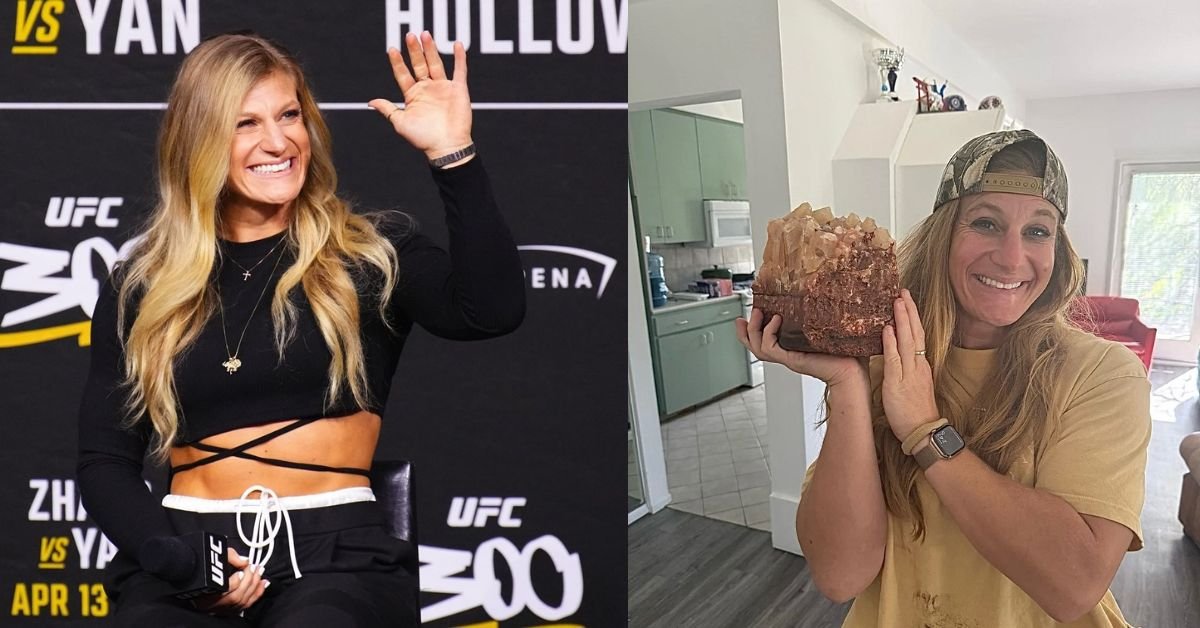
She signed with the UFC in 2024 and made her debut at UFC 300 against Holly Holm, a former boxing champion and UFC titleholder. She submitted Holm via rear-naked choke in the second round—an emphatic statement that she belonged at the highest level.
Three fights later, she faced Julianna Peña for the bantamweight title at UFC 316. The fight was competitive until she locked in a kimura in the final seconds of round two, forcing the tap and winning the championship.
Immediately after her victory, Amanda Nunes—considered the greatest female MMA fighter ever—entered the octagon for a face-off. Nunes had retired but returned for one more fight. They’re scheduled to meet January 24, 2026, at UFC 324 in what many consider the biggest women’s MMA fight ever.
Life Outside Fighting
In 2020, her stepfather—who had custody of her niece Kyla and nephew Emery—died suddenly. She acquired full custody of both children. In 2021, she legally adopted them, becoming their mother.
Raising two kids while training for championship fights isn’t something most athletes attempt. She trains six days a week at American Top Team in Coconut Creek, Florida. During fight camps, she trains twice daily plus 10K steady-state cardio sessions and daily recovery in cold tubs, saunas, and hyperbaric chambers.
“My life feels full when I’m training with the American Top Team, recharging through prayer and reflection, tending to my emus on the farm, laughing with my kids as we act out Harry Potter scenes,” she wrote on her website. Yes, emus. She owns a farm in Florida.
What Makes Her Different
Most Olympic medalists who try MMA fail. The skill sets don’t transfer cleanly. Judo teaches throwing and ground control but not striking or defending punches. She spent years learning entirely new skills while maintaining the discipline that made her an Olympic champion.
Her grappling credentials are unmatched in women’s MMA. When she gets opponents to the ground, the fight usually ends quickly. Her judo background means she understands leverage, balance, and control at levels most MMA fighters never develop.
But beyond technical skills, she’s endured and overcome trauma that would break most people. Surviving abuse, reporting it, rebuilding her life in a new city—these experiences created mental toughness that transcends sports.
Financial Reality
Reliable public information about Kayla Harrison’s net worth doesn’t exist. Various websites claim different figures, but none are verified. Any numbers you see online are speculation.
What we know is that she earned from the PFL, where she won two championships that came with $1 million prizes. Her UFC contract terms aren’t public, but championship-level UFC fighters earn substantial base pay plus pay-per-view points and sponsorships.
According to coverage on Olympics.com, she’s made mental health and financial stability priorities, especially as a single mother. She mentioned working various jobs before judo success—landscaping, dog walking, hardware store employee—which probably taught her the value of every dollar earned.
Common Questions
Is Kayla Harrison the greatest female judoka ever?
She’s the only American woman to win Olympic gold in judo, and she did it twice. Whether that makes her the greatest ever is debatable, but she’s certainly among the most accomplished.
How did she transition from judo to MMA so successfully?
Her judo base gave her elite grappling skills. She spent years at American Top Team learning striking and MMA-specific techniques before her debut. Starting at 28 also meant she was mentally mature and disciplined.
What happened with her coach Daniel Doyle?
He sexually abused her from ages 13 to 16. She reported it at 16, he was convicted, and received a ten-year prison sentence. She’s been open about this to help other survivors.
Read Also: How Ryan Pineda Became Famous: From Struggle to Business Success
About The Author
