Daronte Jones just became the defensive coordinator for the Washington Commanders on January 27, 2026, after spending the past five seasons with the Minnesota Vikings. Born November 11, 1978, in Capital Heights, Maryland, he brings over two decades of coaching experience spanning high school, college, and professional levels.
His hiring represents recognition of work often done behind the scenes—developing defensive backs, coordinating passing defenses, and building units that consistently rank among the league’s best. His fingerprints are all over Minnesota’s defensive success these past three years, even though defensive coordinator Brian Flores received most of the public credit.
Early Life and Background
Growing up in Capital Heights, Maryland, Jones attended Bishop McNamara High School, a Catholic school in nearby Forestville known for producing athletes who later compete at high levels.
The Washington D.C. metro area where he grew up has a rich football tradition, with high school programs producing significant talent. That environment meant early exposure to competitive football and coaching cultures that valued discipline and preparation.
His path into football coaching wasn’t unusual for the area—play high school ball, continue in college if possible, then find ways to stay involved in the sport afterward.
Playing Years and Football Foundation
Jones played four seasons as a defensive back at Morgan State University, a historically Black university in Baltimore, earning his bachelor’s degree in 2001. Morgan State competes in the FCS level, which meant facing quality competition without the resources of major programs.
His playing career ended after his second season with repeated injuries that led to nerve damage. That kind of injury—serious enough to end playing days but not career-ending for staying in football—often creates coaches who understand players’ physical limitations and injury concerns.
Playing defensive back taught him coverages, reading quarterbacks, and the mental chess match between receivers and defensive backs. That positional expertise would define his entire coaching career.
Entering Coaching
Jones began his coaching career in 2001 as a graduate assistant at Lenoir-Rhyne University in North Carolina. Graduate assistant positions pay little, require long hours, and involve whatever tasks full-time coaches don’t want to do—but they provide entry into coaching.
In 2002, he coached safeties at Nicholls State, a Louisiana FCS program. From there, he spent two years as defensive coordinator at Louisiana high schools—Franklin Senior High (2003) and Jeanerette Senior High (2004).
High school coordinator roles require teaching fundamentals, managing teenagers, and often coaching multiple positions. Those years taught him how to communicate complex concepts simply—skills that translate when coaching professionals.
College Football Coaching Journey
From 2005-2009, Jones served as assistant head coach and defensive coordinator at Bowie State University in Maryland. Bowie State is a Division II historically Black university, and this represented his first significant coordinator position.
In 2009, his defense ranked number one in Division II in total defense (217.7 yards per game), second in rushing defense (56.5 yards per game), and ninth in pass-efficiency defense. Those rankings at a small school with limited resources demonstrated coaching ability beyond just having better athletes.
His head coach, Damon Wilson, later described Jones spending free time driving around to observe Commanders and Ravens practices, taking notes on how NFL defenses game-planned. That kind of initiative—using geographical proximity to NFL teams to learn—shows someone serious about improving.
In 2010, he moved to UCLA as a graduate assistant working with cornerbacks, then spent 2011 coaching defensive backs for the Montreal Alouettes in the Canadian Football League.
From 2012-2014, he coached secondary at the University of Hawaii, earning the title of assistant head coach in 2014. In 2015, he coached defensive backs at Wisconsin under defensive coordinator Dave Aranda, helping the Badgers allow just seven passing touchdowns all season—leading the nation in that category.
Transition to the NFL
Jones entered the NFL in 2016 as assistant defensive backs coach for the Miami Dolphins under defensive coordinator Vance Joseph and defensive backs coach Lou Anarumo. Assistant positions mean learning NFL systems while supporting full-time position coaches.
He helped safety Reshad Jones lead the Dolphins in tackles with 122 and earn a Pro Bowl selection in 2017. That year, Miami’s defense ranked third in the NFL in interceptions with 16.
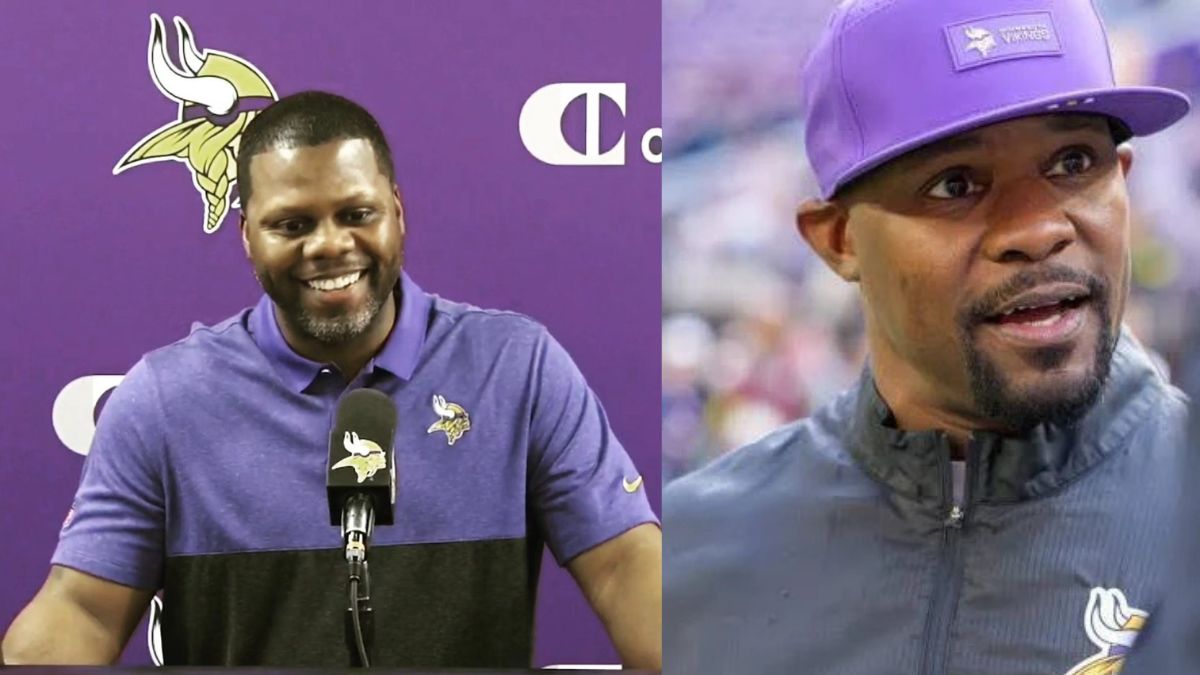
From 2018-2019, he coached secondary for the Cincinnati Bengals. Then in 2020, he joined the Minnesota Vikings as defensive backs coach under head coach Mike Zimmer.
In his first Vikings season, the team ranked in the top ten in interceptions, and he helped safety Harrison Smith tie his career high with five interceptions.
The LSU Year
On January 26, 2021, LSU named Jones defensive coordinator—his first NFL play-calling opportunity, though technically at the college level. The hiring reunited him with Dave Aranda’s concepts, as Aranda had previously been LSU’s defensive coordinator before leaving for Baylor.
His LSU defense allowed 377.5 yards per game (64th among 130 FBS schools) and 26.6 points per game (70th)—decent but not elite numbers. He primarily operated a 4-3 base defense featuring four down linemen and three linebackers.
Linebacker Damone Clark earned second-team All-America honors and was a finalist for the Butkus Award under Jones’ coordination. Jones also coached cornerback Derrick Stingley Jr., who was selected third overall in the 2022 NFL Draft.
After head coach Ed Orgeron was fired and Brian Kelly hired, Jones was not retained for a second season—a common outcome when new head coaches bring their own staffs.
Return to Minnesota and Rise
Jones returned to the Vikings in 2022 as defensive backs coach, then was promoted to passing game coordinator in 2023. This dual role gave him significant defensive authority without the full coordinator title.
Under his guidance, Minnesota’s secondary became elite. In 2024, the Vikings led the NFL in interceptions (24), passes defensed (95), opponent fourth-down conversion percentage (37.1%), and interception rate (3.8%) while tying for the league lead in takeaways (33).
Safety Camryn Bynum posted career highs in tackles (137—leading all NFL defensive backs), passes defensed (nine), and forced fumbles (three). Safety Josh Metellus started a career-high 17 games after combining for just three starts from 2020-22, recording career highs in tackles (116), sacks (2.5), and forced fumbles (four).
According to the Minnesota Vikings‘ official coaching page, his work developing defensive backs has been central to Minnesota’s defensive success over the past three seasons.
Defensive Philosophy and Coaching Style
Jones is described by colleagues as a “film junkie” who has been single for most of his coaching career, not taking time to develop much social life outside football. Fellow coaches made a habit of inviting him to Thanksgiving dinner to ensure he wasn’t alone, and even then he’d show up late because he was watching extra film.
His philosophy emphasizes attacking and disrupting offenses rather than adhering to a rigid scheme. At Bowie State, his defensive scheme evolved constantly—sometimes 4-3, sometimes 3-4, sometimes both within the same season—adapting to available personnel.
At LSU and Minnesota, he operated man-heavy systems with match elements, asking defensive backs to press and compete at the catch point rather than relying on zone coverage. His defenses prioritize making plays on the ball rather than just preventing completions.
Veteran safety Harrison Smith praised his teaching ability: “He’s been earning his money this year. He does a really good job of communicating exactly what we need to get done and things that we can expect while also not overloading the group with things that can bog you down”.
Working With Players
His strength lies in developing defensive backs who might not be stars but become productive starters through his coaching. Players like Camryn Bynum and Josh Metellus—mid-round picks or undrafted players—became key contributors under his guidance.
He’s widely regarded around the league as the next man up should Brian Flores secure a head coaching opportunity, indicating respect within Minnesota’s organization and across the NFL.
His ability to coach up less-heralded players matters more than producing All-Pros. Teams can’t afford elite talent at every position, so coaches who maximize mid-tier players provide tremendous value.
Life Outside Football
Jones has remained single throughout most of his coaching career, dedicating himself almost entirely to football. As of July 2021, he was engaged to Jean Kuei, though current relationship status isn’t publicly updated beyond that announcement.
He is a member of Omega Psi Phi Fraternity, a historically Black fraternity known for service and brotherhood. Beyond that, little is publicly known about hobbies, interests, or personal life outside coaching.
The coaching lifestyle—especially for assistants constantly changing teams and cities—makes personal relationships challenging. Long hours during season, constant film study, and potential relocations every few years create obstacles to stability outside football.
Professional Standing and Earnings
NFL coaching salaries are rarely shared publicly, especially for assistant coaches and coordinators. Teams usually keep contract details private, which means there are no confirmed figures available for Daronte Jones’ earnings. This is common across the league and applies to most coaches outside of head coaching roles.
What is known comes from broader industry reporting. According to Sports Illustrated, NFL coordinators are among the highest-paid assistants, but their salaries vary widely depending on experience, team structure, and responsibilities
There is no fixed pay scale, and many contracts are negotiated quietly without public disclosure.
Rather than exact numbers, Jones’ career progression offers the clearest picture. Front Office Sports explains that coaches typically see financial growth gradually, built over years of steady advancement and trust within organizations
Reaching a full defensive coordinator role reflects professional standing more than publicly reported income, especially in a field where compensation details are rarely confirmed.
Read Also: Ben Shelton Profile: Early Life, Family and Tennis Journey
About The Author