
Douglas S. Ingram is an American biotechnology executive who served as President and Chief Executive Officer of Sarepta Therapeutics from June 2017 until his planned retirement at the end of 2026. He is a lawyer by training who built a successful career in pharmaceutical leadership spanning over two decades.
He became well known in the biotechnology industry for his work leading companies focused on rare diseases, particularly Duchenne muscular dystrophy. Under his leadership, Sarepta Therapeutics grew from a small biotech company into a profitable organization with multiple approved therapies.
In February 2026, he announced his decision to step down from his role to spend more time with his family after two members of his immediate family were diagnosed with myotonic dystrophy, a rare genetic condition.
Early Life and Education
Douglas S. Ingram was born in the United States and grew up with a strong focus on academics. While specific details about his childhood and parents are not widely publicized, what is known is that he pursued higher education with determination.
He attended Arizona State University, where he earned a Bachelor of Science degree, graduating magna cum laude. This academic achievement showed his commitment to excellence from an early age.
After completing his undergraduate studies, he continued his education at the University of Arizona, James E. Rogers College of Law. He graduated summa cum laude with his Juris Doctor (JD) degree, which is the highest academic honor for law school graduates.
His legal education would prove valuable throughout his career, even though he eventually moved into pharmaceutical and biotechnology leadership roles rather than practicing law full-time.
Starting His Career at Allergan
Doug Ingram began his pharmaceutical career at Allergan, Inc. in January 2001. He joined the company as General Counsel, which means he was the chief legal officer responsible for all legal matters.
He served in this role from 2001 to 2009, providing legal guidance during a period of significant growth for Allergan. During these years, he also took on additional responsibilities beyond just legal work.
From July 2001 to July 2010, he served as Secretary and Chief Ethics Officer. In these roles, he helped establish the company’s ethical standards and compliance programs.
In October 2006, his responsibilities expanded again when he was promoted to Executive Vice President and Chief Administrative Officer. This role gave him oversight of multiple departments beyond legal, including Human Resources, Compliance, Internal Audit, Regulatory Affairs, and Public Relations.
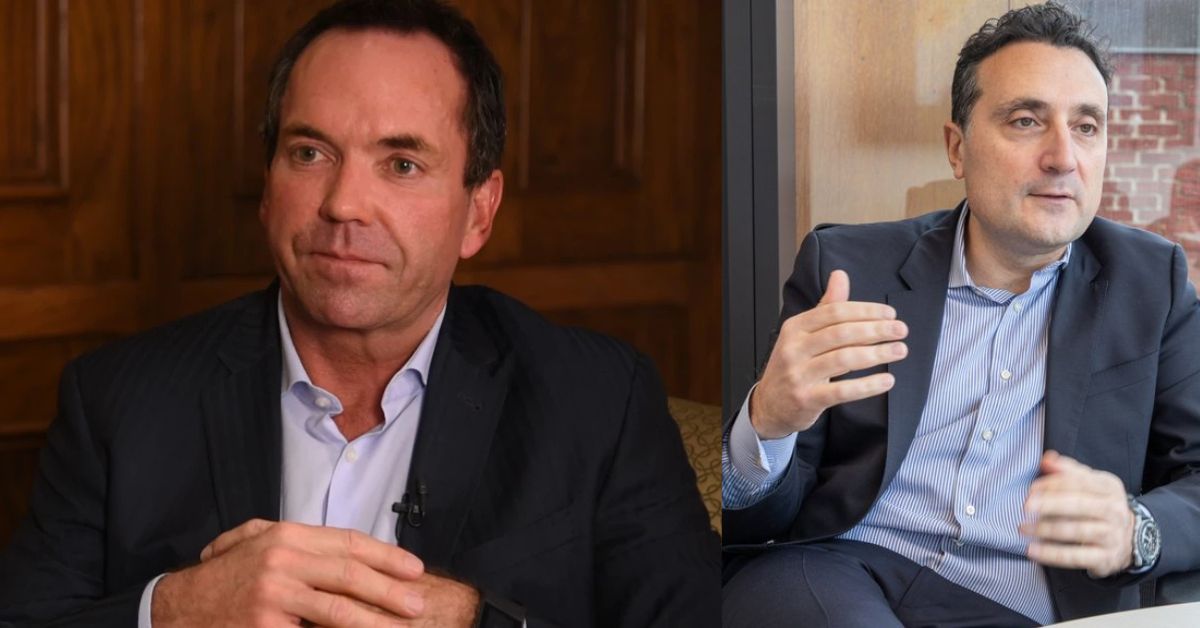
Rising to President of Allergan
In August 2010, Doug Ingram was promoted to President of Allergan’s Europe, Africa, and Middle East region. This was a significant leadership role managing the company’s operations across multiple continents.
He held this position until June 2013, learning how to manage large teams across different countries and cultures. This international experience helped him understand global pharmaceutical markets.
In July 2013, he was promoted again, this time to President of Allergan, Inc. This made him the second-highest executive in the company, reporting only to the CEO.
During his time as President, Allergan faced a hostile takeover attempt by Valeant Pharmaceuticals. Ingram played an important role in defending the company during this difficult period.
Eventually, Allergan agreed to be acquired by Actavis (led by CEO Brent Saunders) in early 2015 for $66 billion. This was one of the largest pharmaceutical mergers at that time.
Leading Chase Pharmaceuticals
After the Allergan-Actavis merger in 2015, Doug Ingram briefly served as a special advisor to the Actavis CEO. However, he was ready to lead his own company.
In December 2015, he became Chief Executive Officer, President, and Director of Chase Pharmaceuticals Corporation. This was a clinical-stage biopharmaceutical company focused on developing treatments for Alzheimer’s disease.
During his time at Chase, the company conducted Phase 2 clinical trials for their lead drug candidate. His leadership during this period caught the attention of larger pharmaceutical companies.
In November 2016, Allergan (which was now part of Actavis) acquired Chase Pharmaceuticals for $125 million upfront. This acquisition brought Ingram and his former colleague Brent Saunders back together for a second major deal.
The successful exit from Chase Pharmaceuticals demonstrated Ingram’s ability to guide a smaller biotech company through clinical development and toward a strategic acquisition.
Joining Sarepta Therapeutics
In June 2017, Sarepta Therapeutics appointed Doug Ingram as their new President and Chief Executive Officer. He also joined the company’s Board of Directors at the same time.
He replaced Dr. Edward Kaye, who had led the company through the controversial FDA approval of Exondys 51, their first drug for Duchenne muscular dystrophy.
When Ingram joined Sarepta, the company had approximately 250 employees and was just beginning to commercialize its first therapy. The company faced significant challenges, including skepticism from some doctors and insurance companies about their drug’s effectiveness.
According to the company announcement, Sarepta’s Board Chairman said they chose Ingram because of his experience growing pharmaceutical companies and his track record of successful mergers and acquisitions.
Ingram’s initial compensation package included a base salary of $650,000 per year, plus performance bonuses and stock options. While this may seem large, it was typical for CEOs of biotechnology companies at that stage.
Read Also: Martin Short Biography: Wife, Children, Early Life, Parents, Career & Achievements
Building Sarepta Into a Major Biotechnology Company
Under Doug Ingram’s leadership from 2017 to 2026, Sarepta Therapeutics transformed dramatically. When he started, the company had one approved drug. By the time he announced his departure, they had four approved therapies for Duchenne muscular dystrophy.
The company grew from about 250 employees in 2017 to over 1,300 employees worldwide by 2024. This growth required building new departments, hiring specialized staff, and establishing operations in multiple countries.
According to information from schaeffer.usc.edu, Sarepta achieved approximately 40% compounded annual revenue growth during Ingram’s tenure. The company became profitable and cash flow positive, which is rare for biotechnology companies.
One of the most significant achievements was the approval and launch of Elevidys in 2023, which became the first-ever gene therapy approved for Duchenne muscular dystrophy. This groundbreaking treatment represented years of research and development.
Sarepta executed over 50 strategic partnerships with scientists and organizations around the world under his leadership. These partnerships helped advance their research programs and improve the delivery and safety of genetic medicines.
In late 2024, Sarepta partnered with Arrowhead Pharmaceuticals to gain access to treatments for myotonic dystrophy (DM-1), among other conditions. This partnership would later take on deep personal significance for Ingram.
Compensation and Financial Information
Doug Ingram’s compensation as CEO varied significantly year by year based on company performance and stock options vesting.
According to public filings at salary.com/, in 2024 his total compensation was approximately $1.98 million, consisting of a base salary of $846,902 and a performance bonus of $1,111,148.
In 2023, his total compensation was approximately $1.66 million, including a salary of about $814,028 and a bonus of around $842,519.
However, in some years when large stock option grants vested, his compensation appeared much higher on paper. In 2022, for example, proxy statements showed total compensation of over $124 million, but this was primarily due to stock options that vested based on achieving challenging performance targets over multiple years.
His net worth is estimated to be at least $14 million based on his stock holdings in various companies, though this is an estimate only. He owns approximately 390,000 shares of Sarepta Therapeutics stock, along with smaller holdings in other pharmaceutical companies.
It is important to understand that executive compensation in biotechnology includes base salary, annual bonuses, and stock options that only become valuable if the company succeeds. Ingram’s compensation was designed to align his interests with shareholders and reward long-term company growth.
Personal Life and Family
Doug Ingram keeps most details about his personal life private. He is married and has a family, though he has not publicly shared his wife’s name or details about his children in most interviews.
Throughout his career, he has maintained a home in California while working in Boston and Cambridge, Massachusetts, where Sarepta’s headquarters are located. This meant he spent considerable time traveling between the two coasts.
In February 2026, Ingram made a deeply personal announcement during Sarepta’s fourth quarter earnings call. He revealed that after the company’s partnership with Arrowhead in late 2024, two members of his immediate family were diagnosed with myotonic dystrophy (DM-1).
This rare genetic condition causes progressive muscle weakness and other serious health problems. The diagnosis was described as both shocking and ironic, given that Sarepta had just gained access to potential treatments for this exact disease through their Arrowhead partnership.
Ingram explained that his personal commitment to muscular dystrophy research had deepened dramatically due to this family situation. He made the difficult decision to step down as CEO at the end of 2026 so he could dedicate more time to his family during this challenging period.
According to reports from BioSpace, Ingram said this was “a deeply difficult” decision because his role at Sarepta was “the most meaningful and rewarding role that one could imagine.”
His decision to prioritize family over career, even at the peak of his professional success, reflects his values and character. He has remained involved in helping find his successor and ensuring a smooth transition for the company.
Religious and Cultural Background
There is no publicly available verified information about Doug Ingram’s religious beliefs or ethnic background. He has kept these aspects of his personal life private throughout his career.
His focus in public statements has always been on his professional work and the mission of helping patients with rare diseases rather than discussing personal cultural or religious matters.
Challenges and Controversies
Ingram’s tenure at Sarepta has not been without controversy. The company’s drugs have faced questions from some medical experts about their effectiveness, particularly in early clinical trials.
The FDA approvals for some of Sarepta’s therapies were controversial, with agency reviewers sometimes expressing doubts about the clinical trial data. Patient advocacy groups played a major role in pushing for approvals, arguing that families deserved access to potential treatments even if the evidence was not perfect.
Drug pricing has also been a sensitive issue. Sarepta’s therapies cost hundreds of thousands of dollars per year, making them some of the most expensive drugs in the world. Ingram has had to defend these prices while also working with insurance companies to ensure patient access.
In recent years, Sarepta’s stock price has faced volatility amid ongoing regulatory questions and safety concerns about some therapies. Managing these challenges while maintaining employee morale and stakeholder confidence has been part of Ingram’s role.
Read Also: Laura Lynch Biography: Early Career with The Chicks and Personal Life
About The Author